
Standard: ASME SB168
Other Standard: GB, AISI, ASTM/ASME, DIN, EN, JIS
Shapes: Plates/ Sheets
Width: 0mm ~ 2500mm
Surface Treatment(Finish): Mirror, Brushed, Mill Finished, Polished, Pickling,Pickling + sandblasting
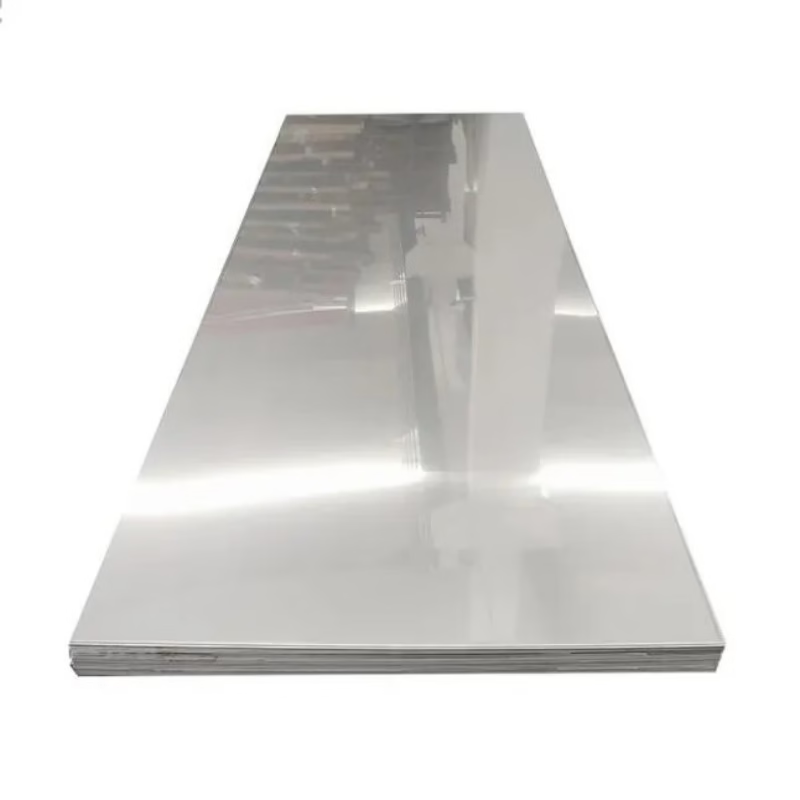
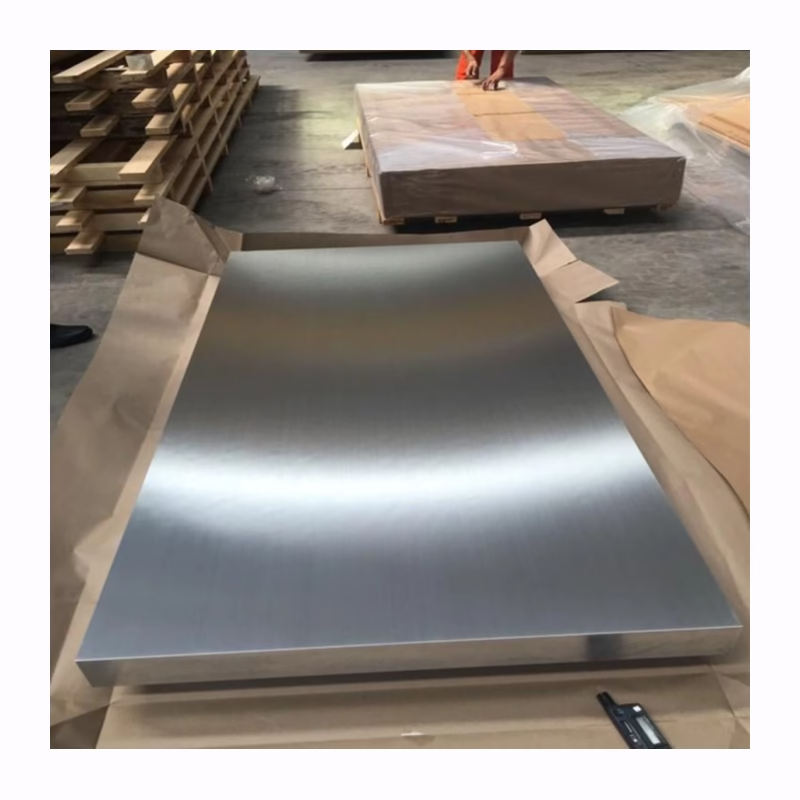
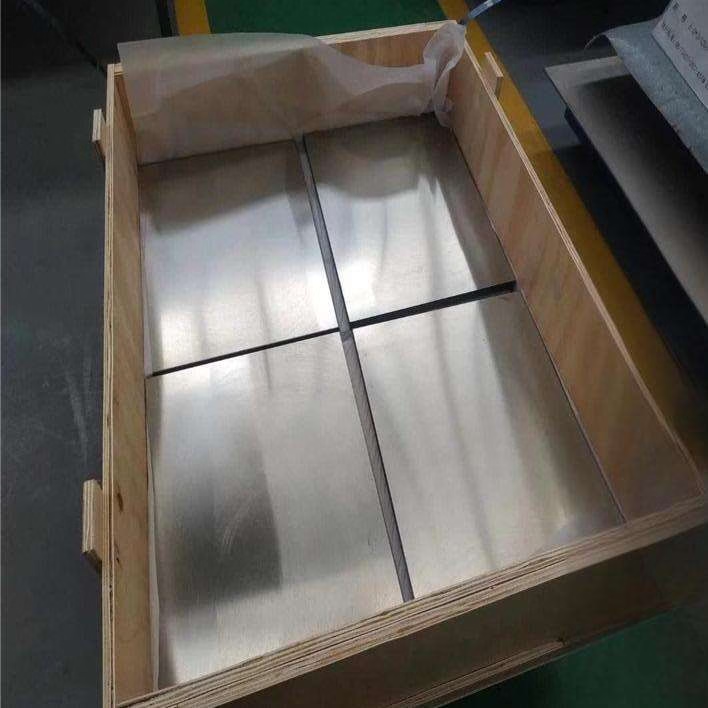
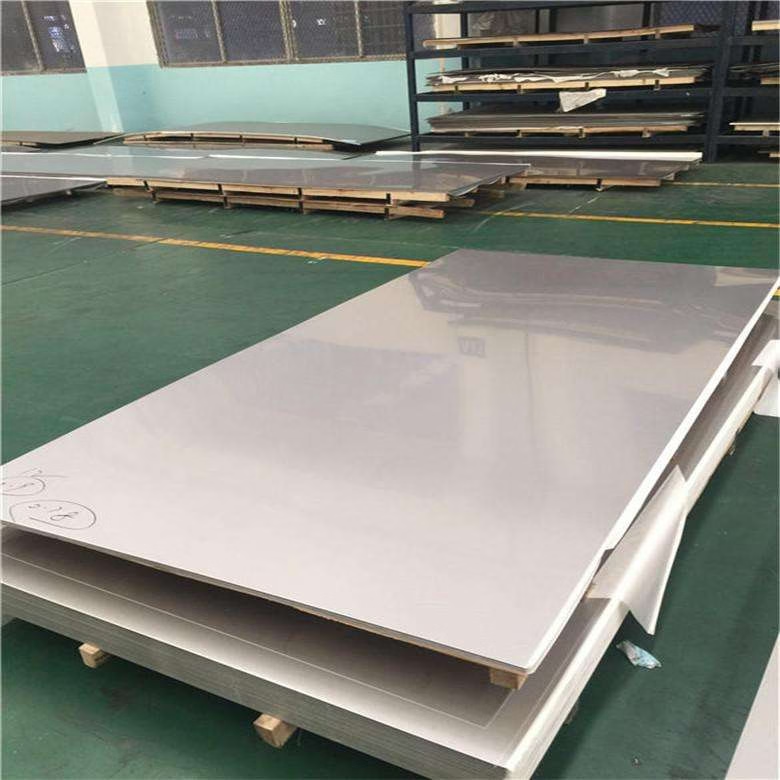
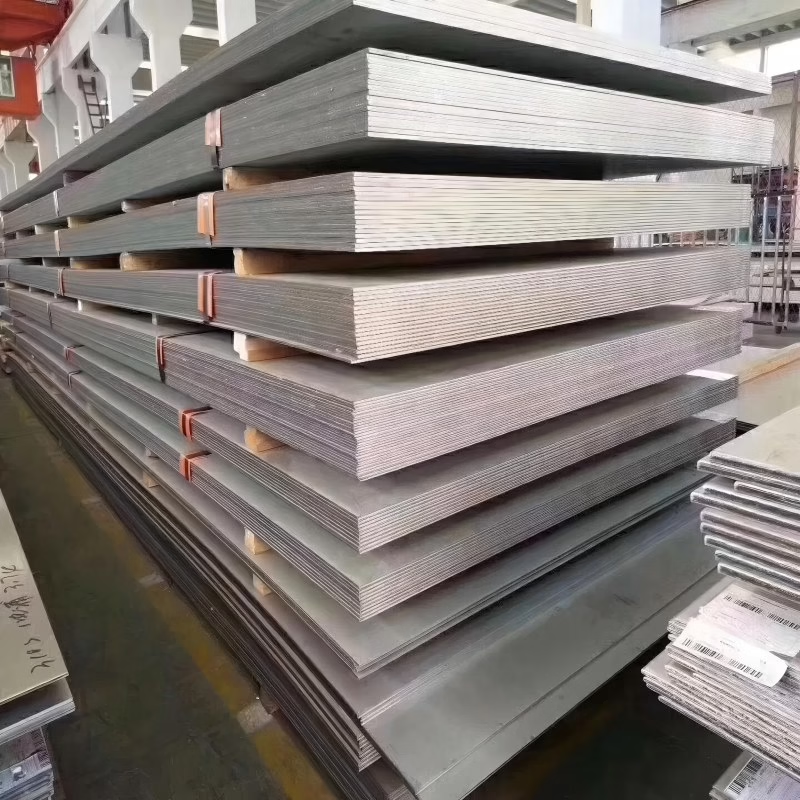
Standard: ASME SB168
Other Standard: GB, AISI, ASTM/ASME, DIN, EN, JIS
Shapes: Plates/ Sheets
Width: 0mm ~ 2500mm
Surface Treatment(Finish): Mirror, Brushed, Mill Finished, Polished, Pickling,Pickling + sandblasting
| Inconel | Density (g/cm3) | Melting point (℃) | Elongation A5 (%) | Tensile Strength (Rm N/mm2) | Yield Strength (RP0.2N/mm2) | Rockwell Hardness |
| 690 | 8.19 | 1343-1377℃ | 30 | 586 | 240 | / |
Type: Cold finished(cold rolled), Hot finished( Hot rolled)
Thickness of Plates: 4.76mm ~ 60mm (Hot Rolled), Width: 0mm ~ 2500mm
Thickness of Sheet: 1.00mm ~ 4.76mm (Cold Rolled), Width: 0mm ~ 1500mm
Surface Treatment(Finish): Mirror, Brushed, Mill Finished, Polished, Pickling,Pickling + sandblasting
Edge:Grinding, cutting
Melting method: Vacuum Induction Melting (VIM) + Electroslag Remelting (ESR); or VIM + VAR
Inspection: TUV, SGS,
Packing: Wooden box, Waterproof polybag
Application of Inconel 690:
Inconel 690 (UNS N06690) is the “blood vessels” of nuclear power plant steam generators and a “special forces” agent for handling highly corrosive media. By adding nearly 30% chromium to the metal, it forms a robust protective film in extremely corrosive environments, specifically addressing the problem that ordinary stainless steel and early nickel-based alloys can inexplicably “crack.”
Inconel 690 is a “proven upgrade.” It replaced the earlier Inconel 600, as the 600 experienced stress cracking issues during nuclear power plant operation, while the 690 has seen almost no reports of damage since its introduction in the 1990s.
Why is it the “safety champion”?
Resistance to stress corrosion cracking (resistance to brittle fracture): This is its most valuable feature. In high-temperature, high-pressure environments containing chlorine and alkaline water, many metals will suddenly crack due to the combined effects of stress and corrosion, but 690 has extremely high immunity to this, making it a key guarantee for nuclear safety.
Extreme Corrosion Resistance: Its high chromium content enables it to perform exceptionally well in strong oxidizing acids such as nitric and hydrofluoric acids, while maintaining stability in high-temperature sulfur-containing waste gases.
High-Temperature Stability: It maintains structural stability and resists oxide-scale shedding up to 1150℃.